
Patient Impact
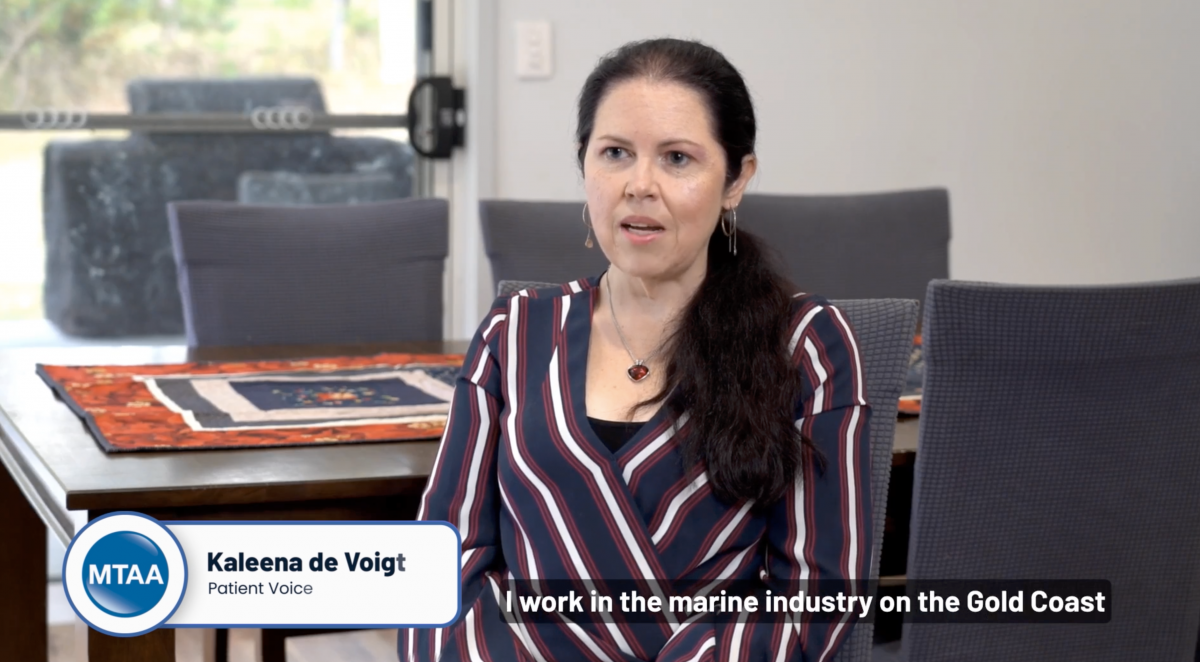
| Chronic pain and nerve damage left Kaleena de Voigt unable to fully participate in work, family life, and day-to-day activities. After working with specialists to explore treatment options, she underwent spinal cord stimulation, a life-changing turning point that has helped her regain control of her life, return to work, and be present for her family again. Kaleena de Voigt is a Gold Coast-based operations manager, wife, and mother of two whose life was profoundly impacted by chronic pain following a series of medical complications and surgeries. Nerve damage and peripheral neuropathy left her living with persistent, debilitating pain that affected her ability to work, care for her family, and participate in everyday life. | |
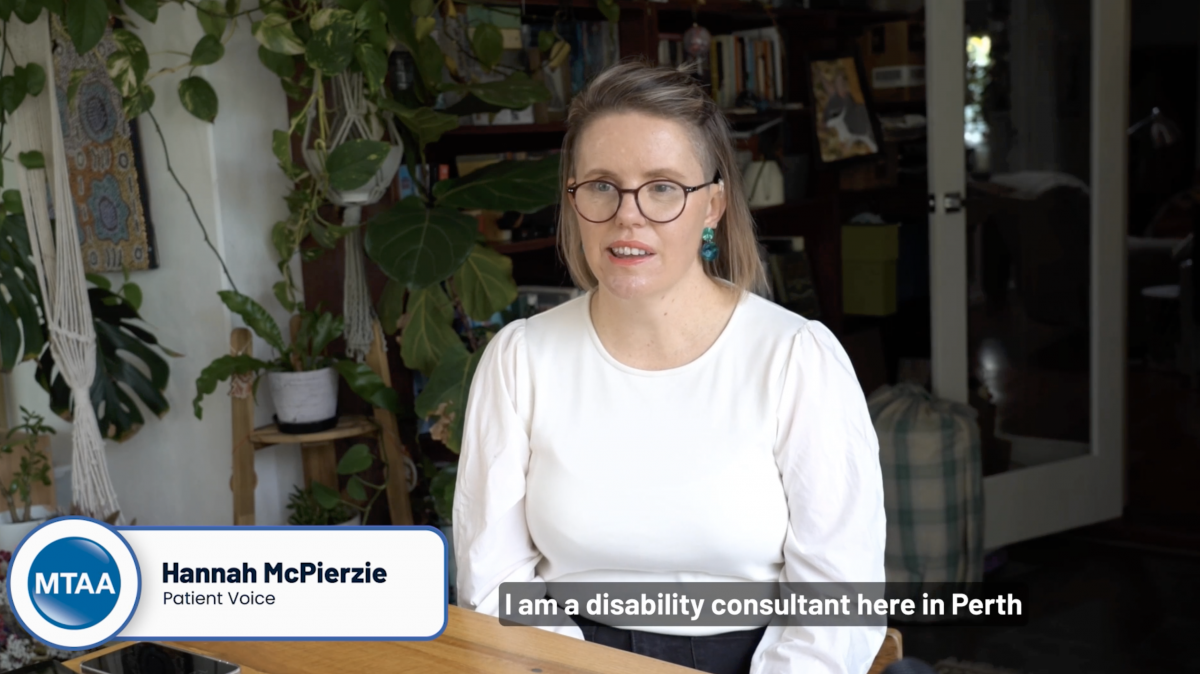
| Hearing loss caused by neurofibromatosis type 2 (NF2), a rare condition that led to tumours affecting her hearing and vision, left Hannah McPierzie unable to communicate in the ways she once had or fully participate in everyday life. After undergoing surgery and working with her specialist care team, she received an auditory brainstem implant (ABI), a life‑changing turning point that, supported by connected technology, has helped her hear again, reconnect with the world around her, and be part of the moments that matter most. Diagnosed with neurofibromatosis type 2 (NF2) in her late twenties, a rare condition that led to tumours affecting her hearing and vision, Hannah McPierzie experienced hearing loss as a direct result of the brain surgeries required to debulk those tumours. This left her unable to communicate in the ways she once had or fully participate in everyday life. After undergoing surgery and working with her specialist care team, she received auditory brainstem implants (ABIs), a life-changing turning point that, supported by connected technology, has helped her access sound, reconnect with the world around her, and be part of the moments that matter most | |
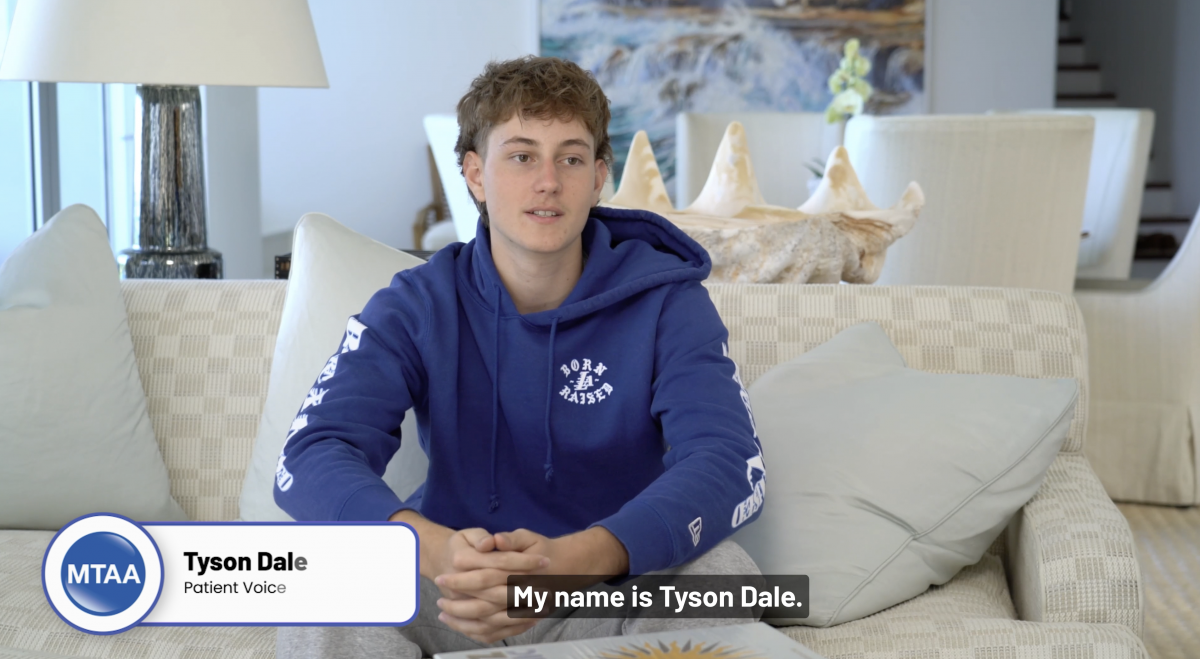
| Tyson Dale is a 17-year-old student, basketball player and only child whose life changed when he was diagnosed with Type 1 diabetes at age 11. What initially appeared to be subtle symptoms quickly escalated, leading his family to realise something was seriously wrong. The diagnosis was confronting for Tyson and his parents, Kirsten and Brad,who suddenly found themselves navigating a lifelong condition that would require constant management and vigilance. Type 1 diabetes is an autoimmune condition that affects the body's ability to produce insulin, requiring people living with the condition to carefully monitor and manage their blood glucose levels every day. For Tyson, that means using a continuous glucose monitor (CGM) and insulin pump that work together to help keep his glucose levels within a safe range. | |